Environmental Health & PFAS
PFAS are persistent environmental contaminants used in a wide range of industrial applications. Their persistence and accumulation across environmental and biological systems have created important questions about their long-term biological effects.
Our research investigates how PFAS exposure alters cellular processes, particularly mitochondrial structure, metabolism and molecular function.
Research Questions:
How does PFAS exposure alter mitochondrial structure?
What metabolic changes occur following exposure?
Which genomic and proteomic signatures are associated with mitochondrial dysfunction?

Mitochondrial Biology
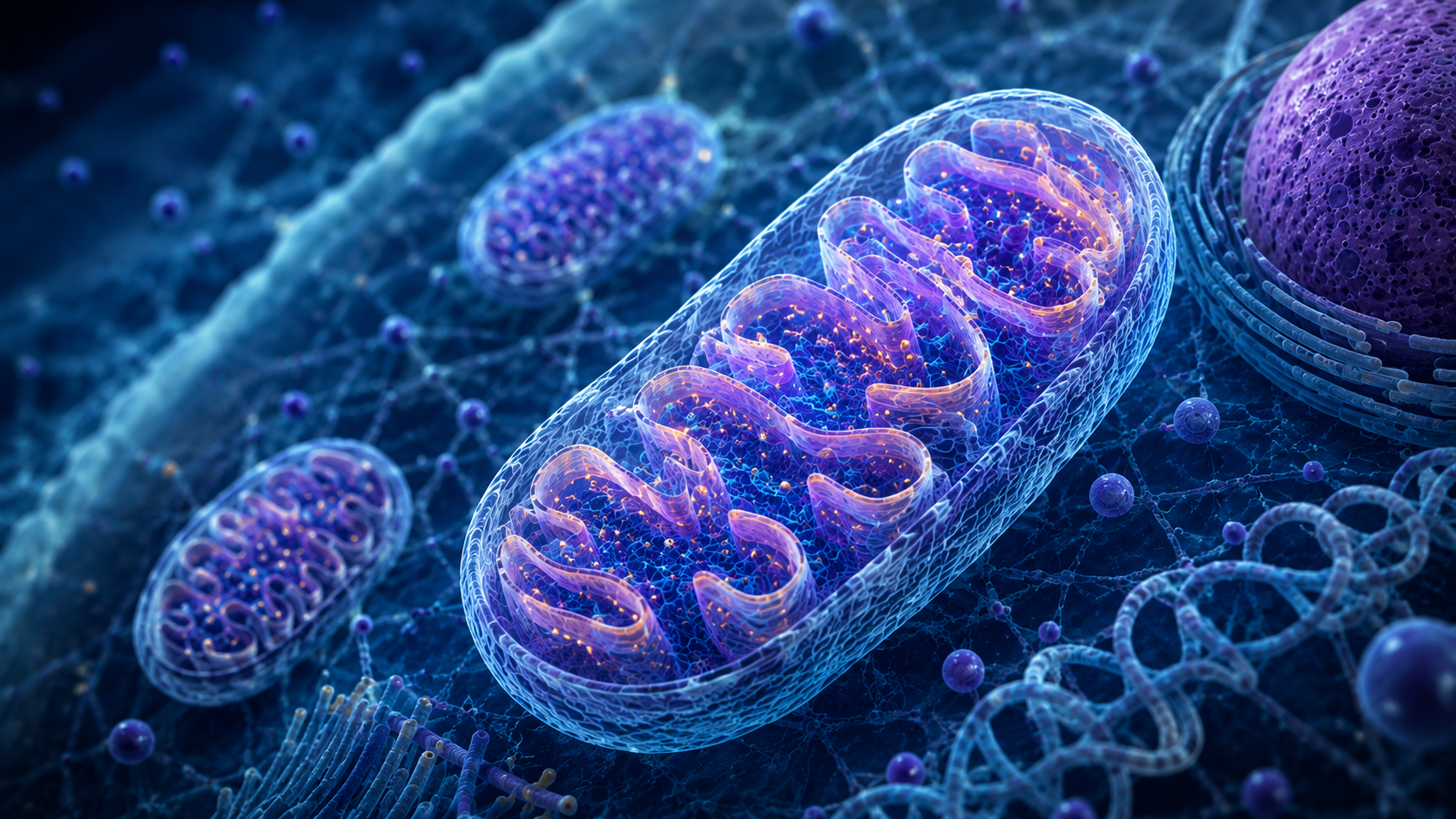
Mitochondria are central to cellular metabolism and provide valuable information about cellular health and responses to environmental stress.
Our work investigates PFAS-induced effects on mitochondrial structural dynamics, metabolic changes and molecular signatures. The mitochondrion is being studied as an endogenous indicator of environmental stimuli and cellular health.
Molecular Genetics & Immunology
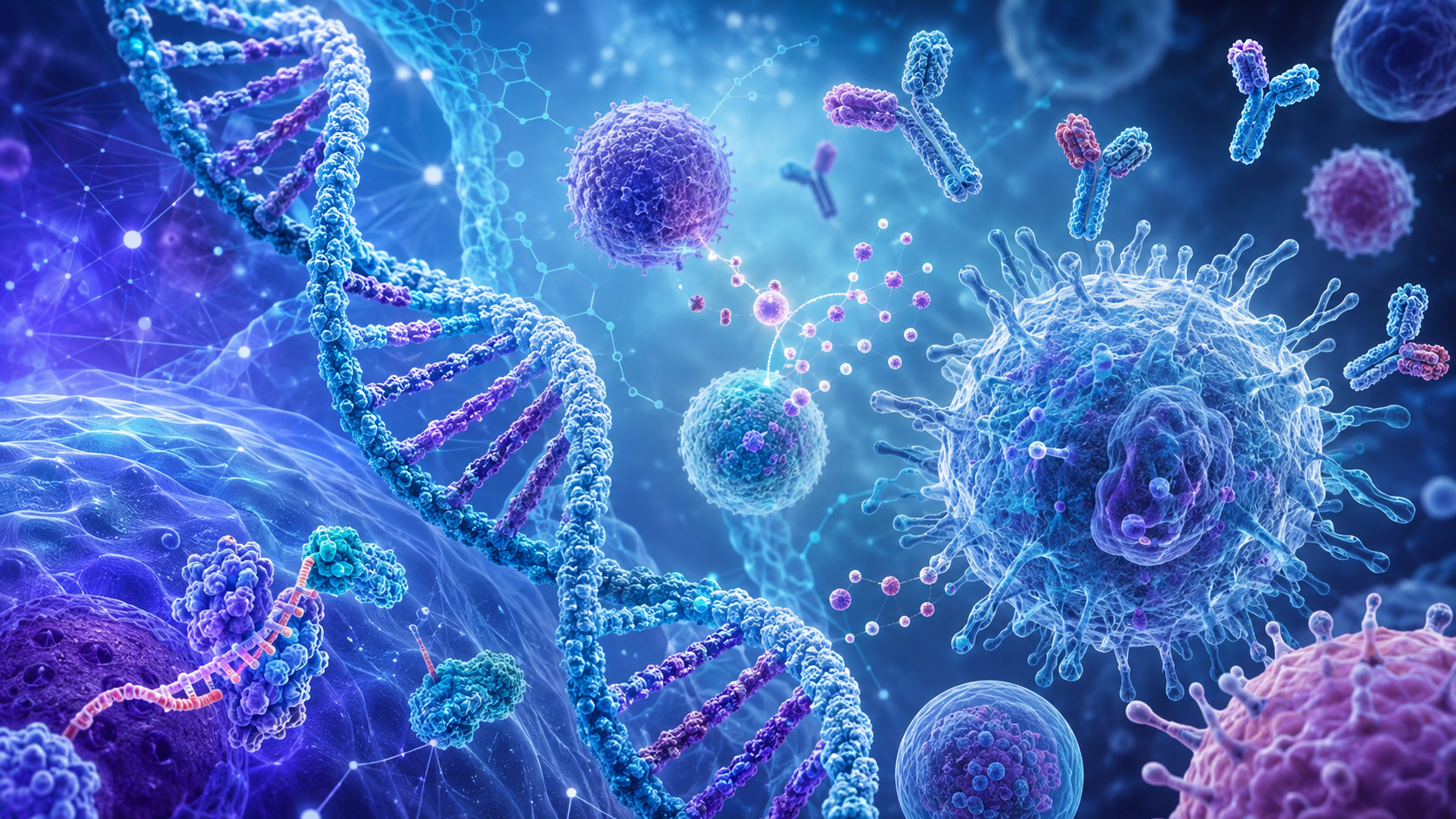
A broader theme across Dr. Adjei-Fremah's research is understanding how environmental, microbial and dietary signals influence gene expression and immune pathways.
Published work has investigated Toll-like receptor signaling and the effects of environmental pollutant GenX on genes associated with innate and adaptive immune responses.
This area provides a molecular framework for understanding how external exposures translate into changes in biological function.
Cell biology
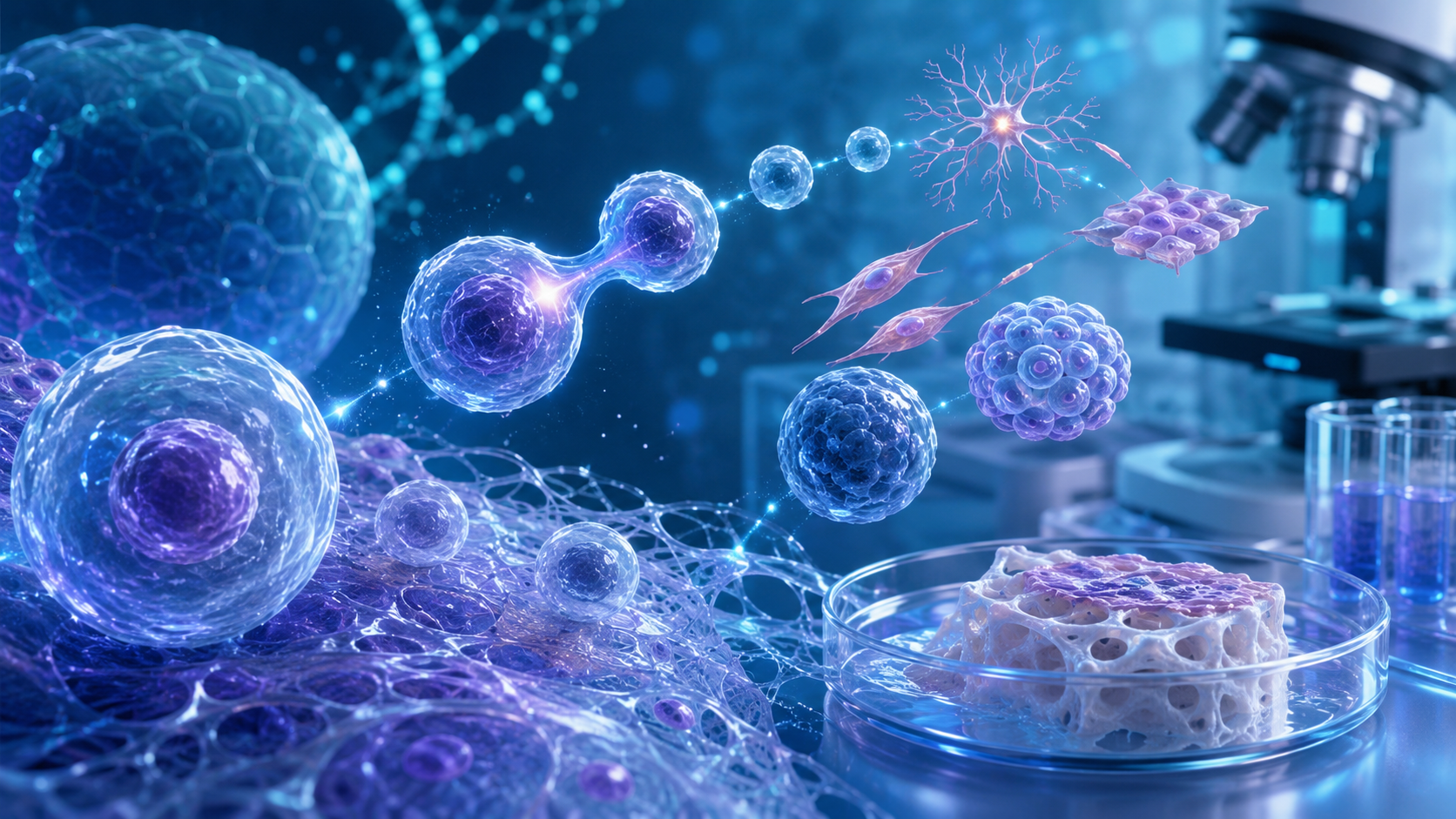
Cell-based models allow researchers to study biological mechanisms in controlled experimental systems.
The lab's research and training activities incorporate cell culture and advanced technologies relevant to environmental health and regenerative medicine. In the 2025 Advanced Cell Techniques Workshop, Dr. Adjei-Fremah led instruction involving xeno-free media and its growing relevance to clinical cell therapies.